

Table of contents
In the world of precision cutting, sapphire blades have emerged as a superior alternative to traditional steel instruments. Whether used in delicate microsurgery or demanding laboratory research, these blades offer a combination of sharpness, durability, and biocompatibility that surpasses conventional cutting tools. This article explores what sapphire blades are, their key properties, and why they have become indispensable in fields where precision matters most.
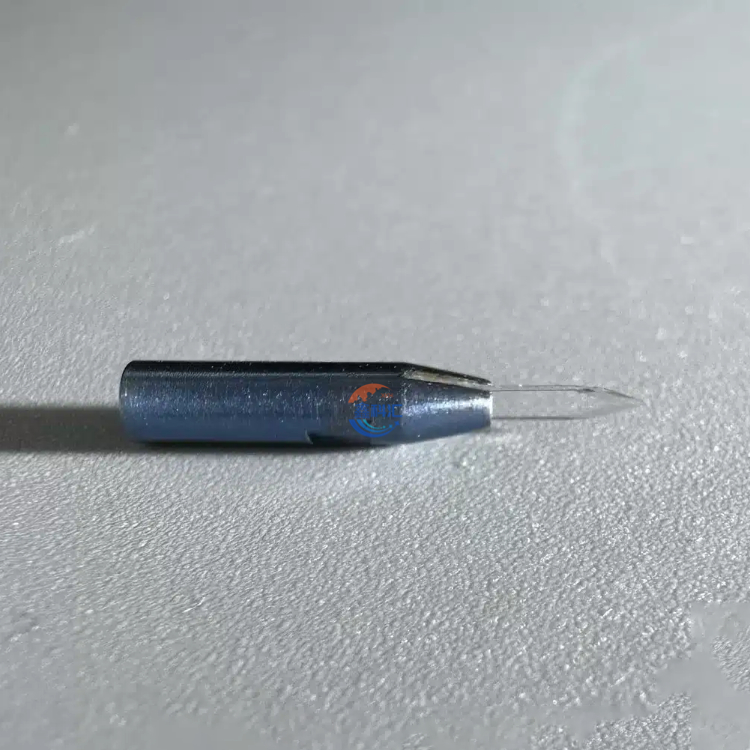
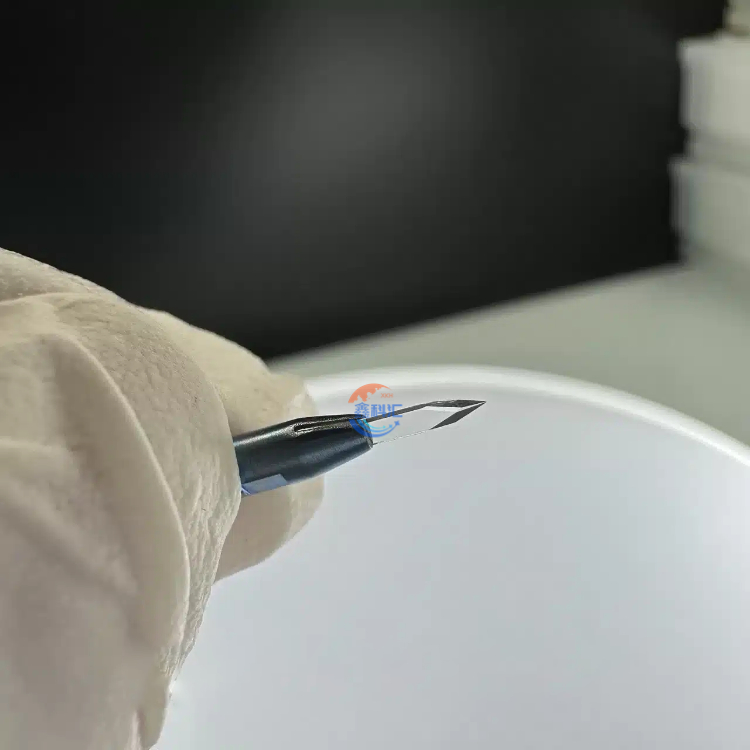
Sapphire blades are manufactured from synthetic single-crystal sapphire, composed of aluminum oxide (Al2O3) . Unlike natural gemstones, these blades are created through a controlled chemical process designed to produce a pure, flawless crystal structure with consistent properties .
On the Mohs scale of mineral hardness, sapphire ranks 9—second only to diamond, which ranks 10 . This exceptional hardness is the foundation of the blade’s performance characteristics, enabling an edge that remains sharp far longer than any steel alternative.
1. Exceptional Hardness and Sharpness
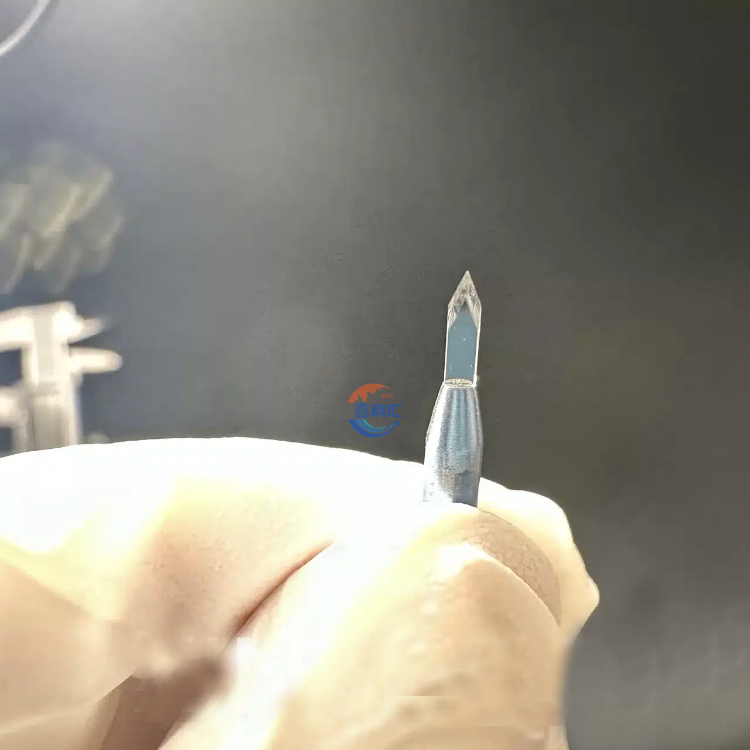
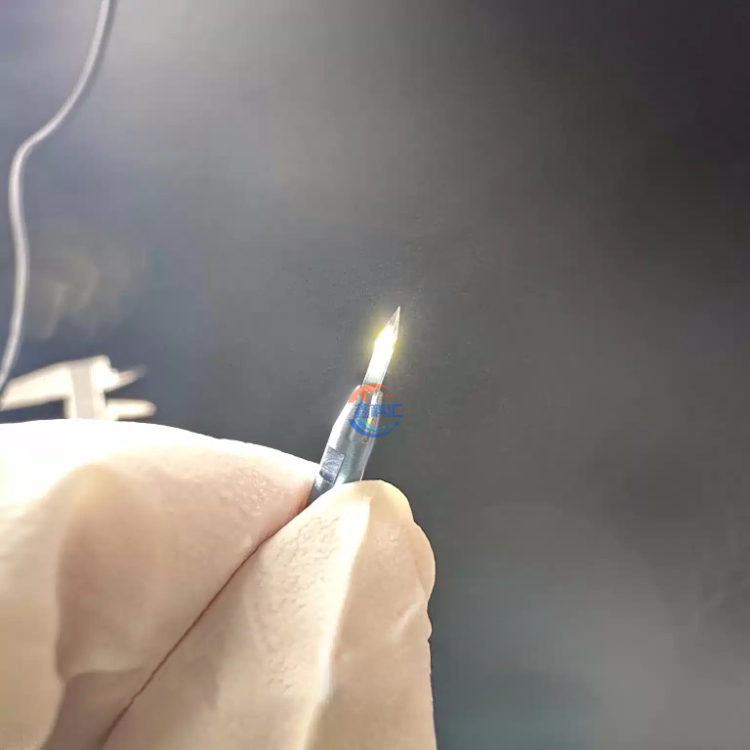
Sapphire blades are hundreds of times harder than traditional steel razor blades . This hardness allows the cutting edge to be honed to an ultra-fine sharpness, creating incisions that are significantly finer than those possible with standard instruments. The result is cleaner cuts with minimal tissue trauma—a critical advantage in both surgical and research applications .
2. Transparency
One of the most distinctive features of sapphire blades is their transparency. Because the blade is clear, surgeons and researchers can see the tissue beneath the cutting edge during use, enabling greater precision in procedures such as hair restoration, ophthalmic microsurgery, and cosmetic surgery .
3. Chemical Inertness and Corrosion Resistance
Sapphire is chemically inert, meaning it does not react with blood, lymph, or disinfectant solutions . Unlike steel instruments, sapphire blades are corrosion-free and resistant to saline solutions, ensuring consistent performance even after repeated sterilization cycles . Additionally, as non-metallic instruments, they eliminate concerns about metal ion reactivity .
4. Long Operational Life
The durability of sapphire translates directly into cost savings. In surgical applications, a single sapphire blade can make over 100 precise incisions while maintaining its cutting quality . In hair transplantation, practitioners report that a sapphire blade can create 3,000 to 4,500 recipient sites before requiring replacement . For laboratory use, with proper care, a sapphire knife can produce thousands of sections and last for years
1. Hair Transplantation
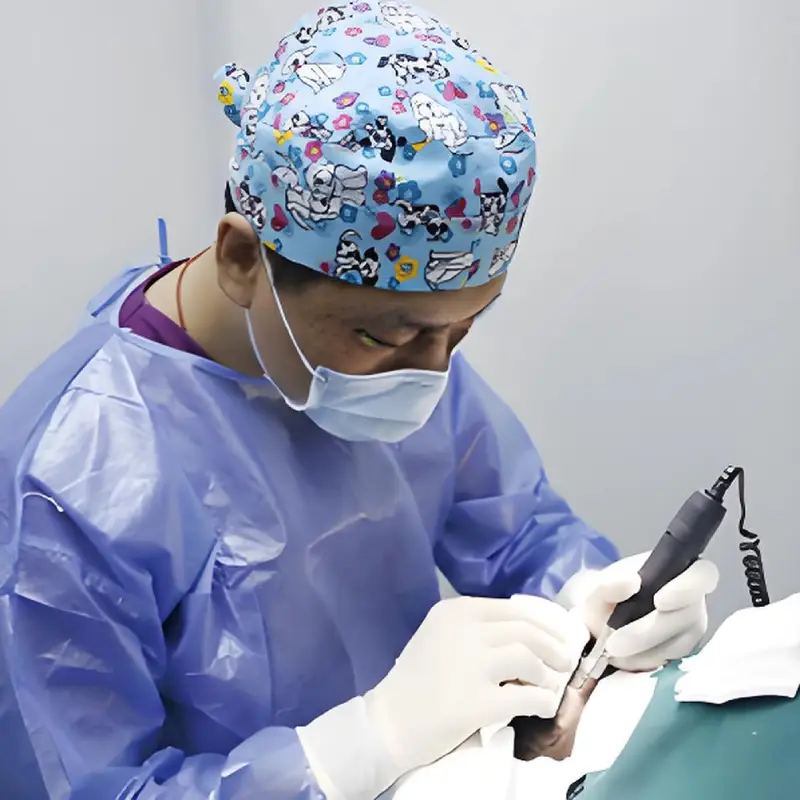
Sapphire blades have become increasingly popular in hair restoration procedures. The blade is used to create slits for implantation of hair follicles, and its ultra-smooth, sharp edge minimizes damage to existing follicles—a significant advantage over steel blades . The transparency of the blade also improves visibility during the procedure, allowing for more precise placement .
2. Ophthalmic and Cosmetic Microsurgery
In ophthalmic microsurgery and cosmetic procedures, the ultra-fine edge of a sapphire blade creates incisions that heal with reduced scarring. The clean cuts prevent unnecessary tissue damage, promoting faster healing and better aesthetic outcomes .
3. General Microsurgery
For delicate dissection and microsurgical procedures, sapphire knives offer superior handling and precision. Ergonomic handles with safety locks protect both the blade edge and medical personnel .
4. Laboratory and Research Applications
Beyond the operating room, sapphire blades are essential tools in research laboratories, particularly for vibratome and microslicer sectioning.
5. Thin Sectioning
Sapphire blades enable researchers to produce distortion-free tissue sections as thin as 6–10μm . This level of thinness was previously difficult to achieve with traditional razor blades. The cleaner cuts result in smoother surface sections, keeping surface cells alive and intact—a critical requirement for studies involving live cell analysis .
6. Fluorescent Labeling and Immunohistochemistry
The superior section quality provided by sapphire blades makes them ideal for techniques such as fluorescent labeling, autoradiography, and immunohistochemistry . Cleaner surfaces enhance imaging quality, allowing researchers to follow small labeled elements more easily .
7. Electrophysiology
In electrophysiology applications, where live and responsive interior cells must be explored, the gentle cutting action of sapphire blades ensures that surface cells remain viable for study .
8. Limitations and Handling Considerations
While sapphire blades offer remarkable advantages, they are not without limitations. The hardness that makes them so effective also makes them brittle . Sapphire blades must be handled with care—dropping them or applying excessive force can chip or break the delicate edge .
Never test the sharpness of a sapphire knife on a finger . The edge is extraordinarily sharp and can cause severe injury.
When not in use, sapphire blades should be stored separately from other instruments and solid objects to prevent edge damage. They can be cleaned in an ultrasonic bath or sterilized using standard wet sterilization procedures, provided they do not contact other instruments during the process .
1. Sterilization and Maintenance
Sapphire blades offer exceptional versatility in sterilization. They may be sterilized using any currently known procedure, including autoclaving and chemical sterilization, without compromising the integrity of the blade . Their corrosion resistance ensures that repeated sterilization cycles do not degrade performance .
2. Cost-Effectiveness
Although sapphire blades carry a higher initial cost compared to steel alternatives, their extended operational life makes them a cost-effective choice in the long run . Fewer blade changes reduce both material costs and procedure time, while the improved precision can lead to better patient outcomes in surgical settings.
Sapphire blades offer exceptional versatility in sterilization. They may be sterilized using any currently known procedure, including autoclaving and chemical sterilization, without compromising the integrity of the blade . Their corrosion resistance ensures that repeated sterilization cycles do not degrade performance .
Although sapphire blades carry a higher initial cost compared to steel alternatives, their extended operational life makes them a cost-effective choice in the long run . Fewer blade changes reduce both material costs and procedure time, while the improved precision can lead to better patient outcomes in surgical settings.
Sapphire blades represent a significant advancement in precision cutting technology. Their extreme hardness, ultra-sharp edges, transparency, chemical inertness, and remarkable durability make them ideal for applications where precision and tissue preservation are paramount. From hair transplantation and microsurgery to advanced laboratory research, these blades deliver superior results that steel instruments cannot match.
For practitioners and researchers seeking the highest standards of precision, the sapphire blade is not just an alternative—it is the gold standard.